

A Wetland School Learning from Mother Nature
Dodo Bird Wetland School was named after the book The Song of the Dodo, which tells the story of the extinct dodo bird. In 2007, the founder, Wu Yi-ping, returned to Liugui from Kaohsiung to care for her parents and was inspired by the area’s rich avian and ecological diversity to establish the school.
Introduction
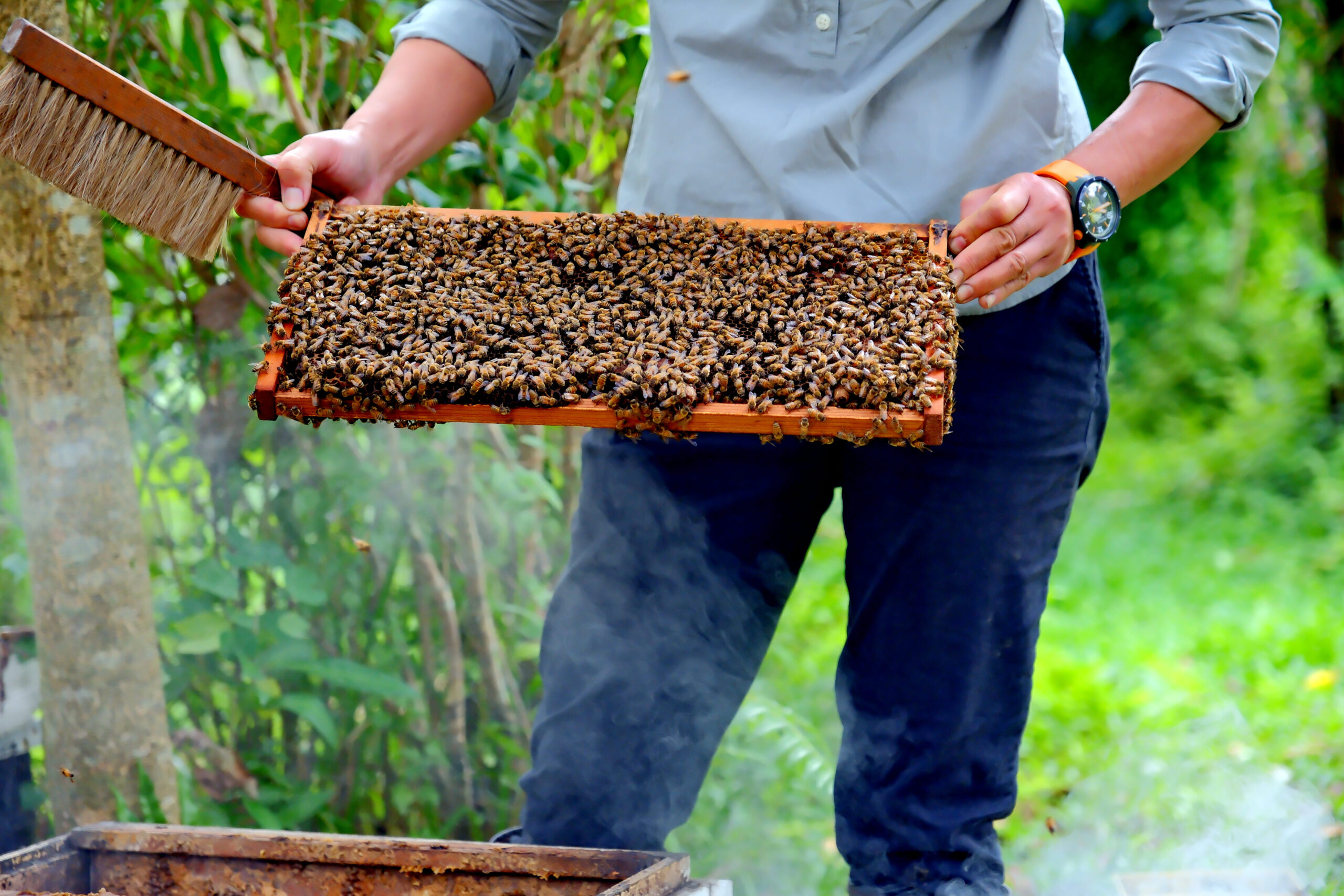
Initially, Wu worked with local parents and children to experiment with natural construction methods to create a wetland habitat where frogs and other creatures could thrive. The ecosystem has since grown from supporting four or five species to a stable environment featuring 14 species. The school’s primary production involves “Forest Honey” using Italian honeybees. These bees are chosen for their gentle nature, high productivity, and ability to maintain a strong colony throughout the year.


Since 2009, the school has collaborated with the Liugui Research Center of the Forestry Research Institute to identify which local flowers provide the best nectar for bees.“Wild Forest Honey” is harvested from low-altitude Wendlandia uvariifolia trees in spring and concentrated to 19 degrees. The “Dodo Wild Forest Series” gift sets are popular among visitors.
Features of Agricultural Tourism
Bee
Favorite activities for families include Wetland Ecological Tours, Beekeeping Experiences, Handmade Beeswax Wraps, and Night Observations.
In the Beekeeping Experience, visitors wear bee veils and hold honeycomb frames to interact with bees closely. The Beeswax Wrap Workshop involves gathering local plants, pounding leaf patterns onto fabric, and dipping it in beeswax to create an eco-friendly alternative to plastic wrap.