


Located in the mountains of Beitou, Erqi was an important site along the old charcoal-carrying trail in its early years. Early settlers grew tea here, then shifted to “Caoshan” mandarin oranges in the 1950s and 60s. Due to pest-related yield declines, the land was transitioned to green bamboo shoots in the 1970s and developed into leisure agriculture in the 1990s, becoming the Erqi Ecological Leisure Farm seen today.
Introduction
After returning home to take over the farm, second-generation owner Zhan Zhen-jia combined his upbringing in bamboo forests and vegetable gardens to design various agricultural activities. These lead visitors to understand green bamboo shoots—from harvesting and learning about the forest to hand-making bamboo tube rice—allowing them to feel the joy of rural life. The farm has also established a “Solitary Bee Hotel” and planted Griffith’s Ash trees to restore populations of solitary bees and rhinoceros beetles, offering visitors a chance to observe ecology up close. The farm produces different bamboo shoots and fruits/vegetables across the seasons, combining experiential activities with traditional flavors to let visitors learn through play and taste the land at the dining table.


The green bamboo shoot season is roughly between the Dragon Boat Festival and the Mid-Autumn Festival. To produce high-quality shoots, the forest requires careful management, including clearing old bamboo heads in winter, earthing up soil during the Qingming Festival to prevent bitterness caused by light exposure, harvesting every two days during peak season, and continuous fertilizing and nurturing.
In addition to fresh shoots, the farm processes dried bamboo shoots and “Sher-Li-Hon” (snow cabbage) buns. When shoots are not in season during winter, pesticide-free vegetables like mustard greens, radishes, and Chinese cabbage are grown; visitors can pick these themselves and make traditional dishes like pan-fried dumplings, buns, bamboo tube rice, or radish silk cakes. The bamboo tube rice experience is a farm specialty where visitors saw the bamboo themselves, learn to make ropes from shell ginger stalks to tie the tubes, and then steam the ingredients inside.
Features of Agricultural Tourism
Bamboo Forest
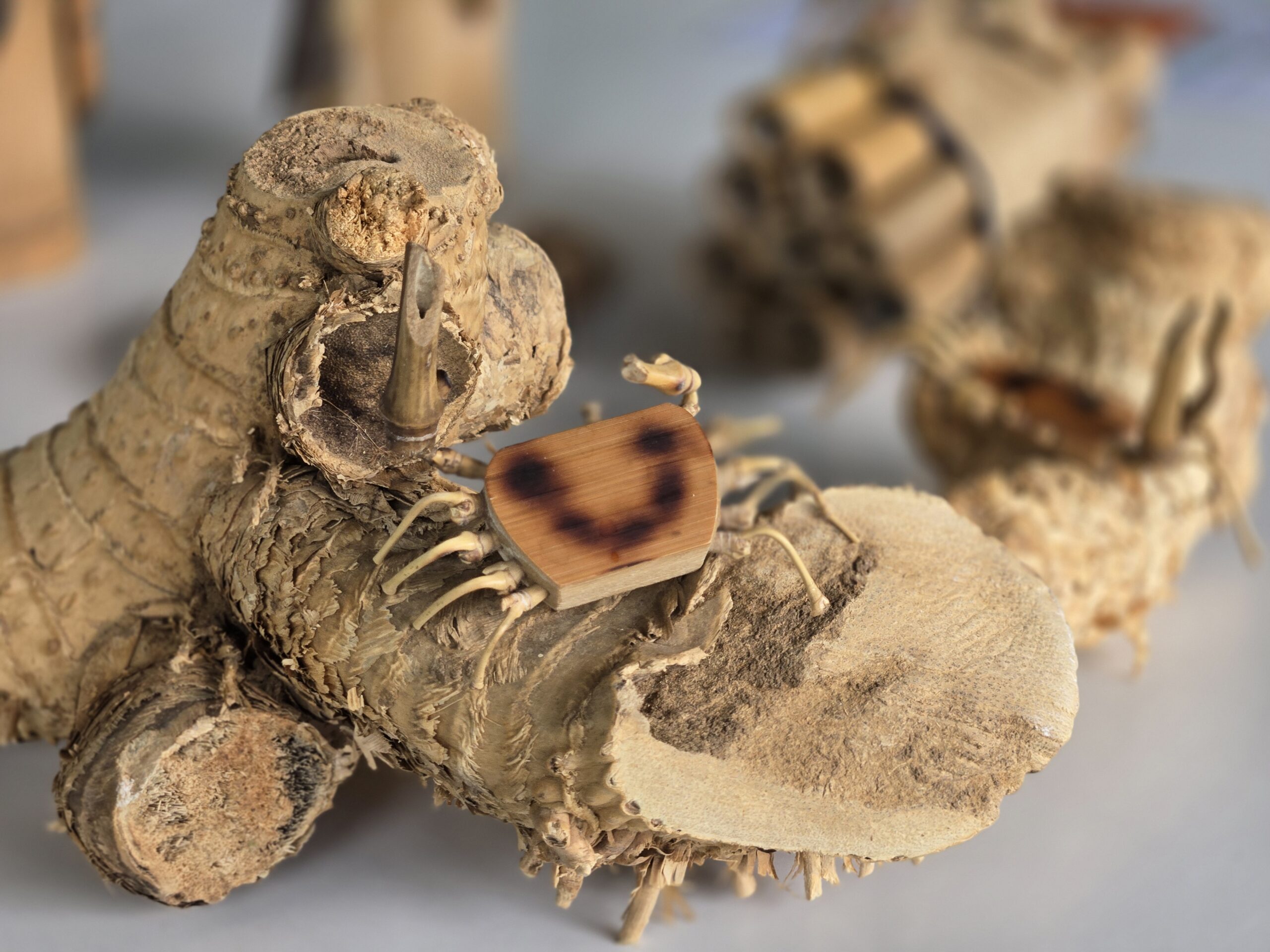
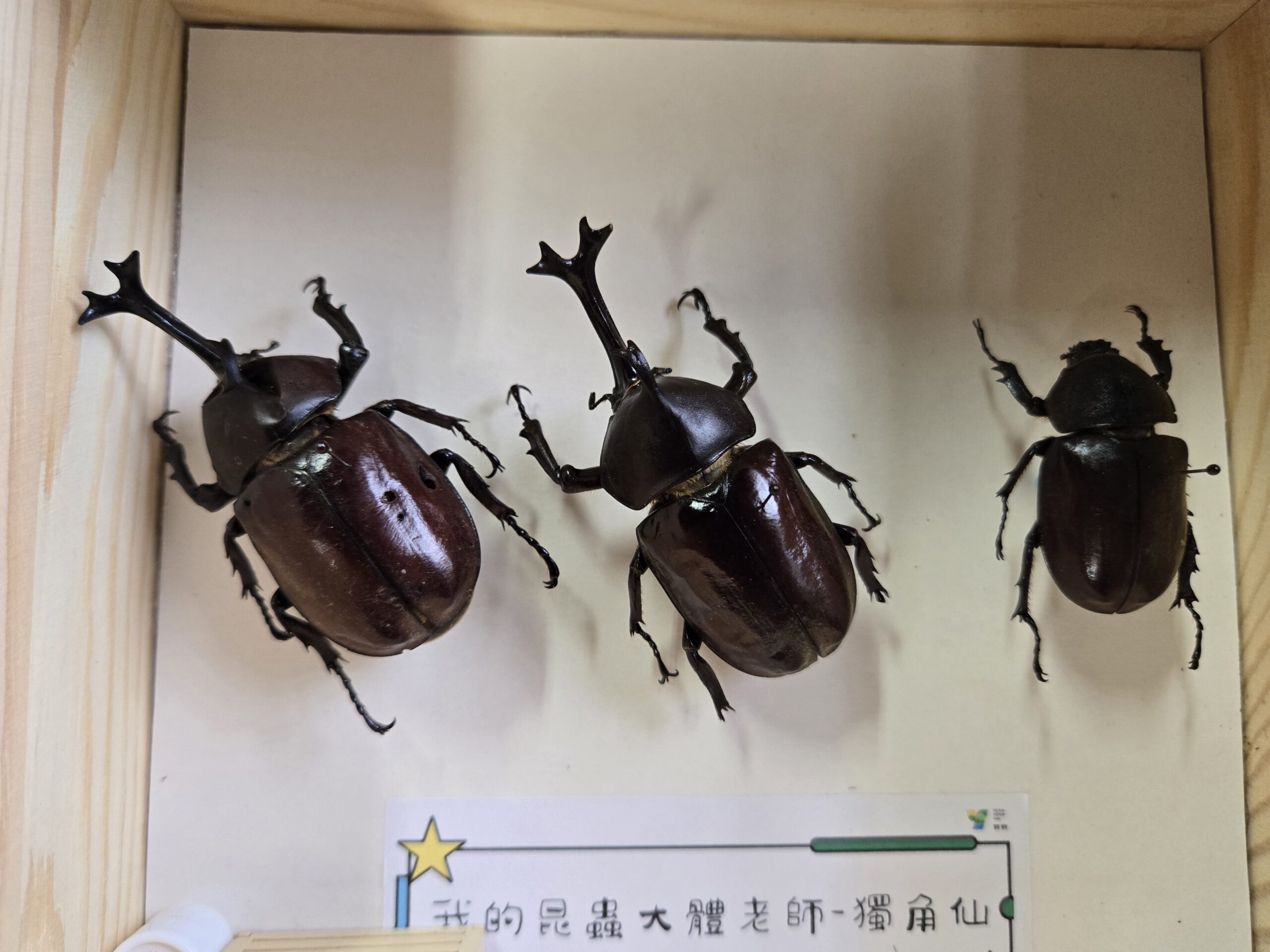
The farm utilizes waste bamboo to build “Solitary Bee Hotels,” providing a nesting place for gentle solitary bees while allowing visitors to observe nature. Griffith’s Ash trees attract rhinoceros beetles to feed on sap; in summer, one can often see the interesting sight of beetles, hornets, and butterflies foraging together. Furthermore, the farm only collects naturally deceased beetles for teaching specimens and repurposes waste bamboo for trellises or DIY materials, such as bamboo pen holders with natural fungal patterns, promoting resource reuse and conservation.



Information
TEL
+886-2-28917787
Address
No. 39, Ln. 355, Fuxing 3rd Rd., Beitou Dist., Taipei City 112008, Taiwan (R.O.C.)

